OpenArt vs. DirectStudio (2026): Which AI Creative Platform Wins?
OpenArt and DirectStudio both sit under the AI creative studio umbrella, but they’re optimized for different jobs — one for multi-format breadth, the other for finished, localized video.
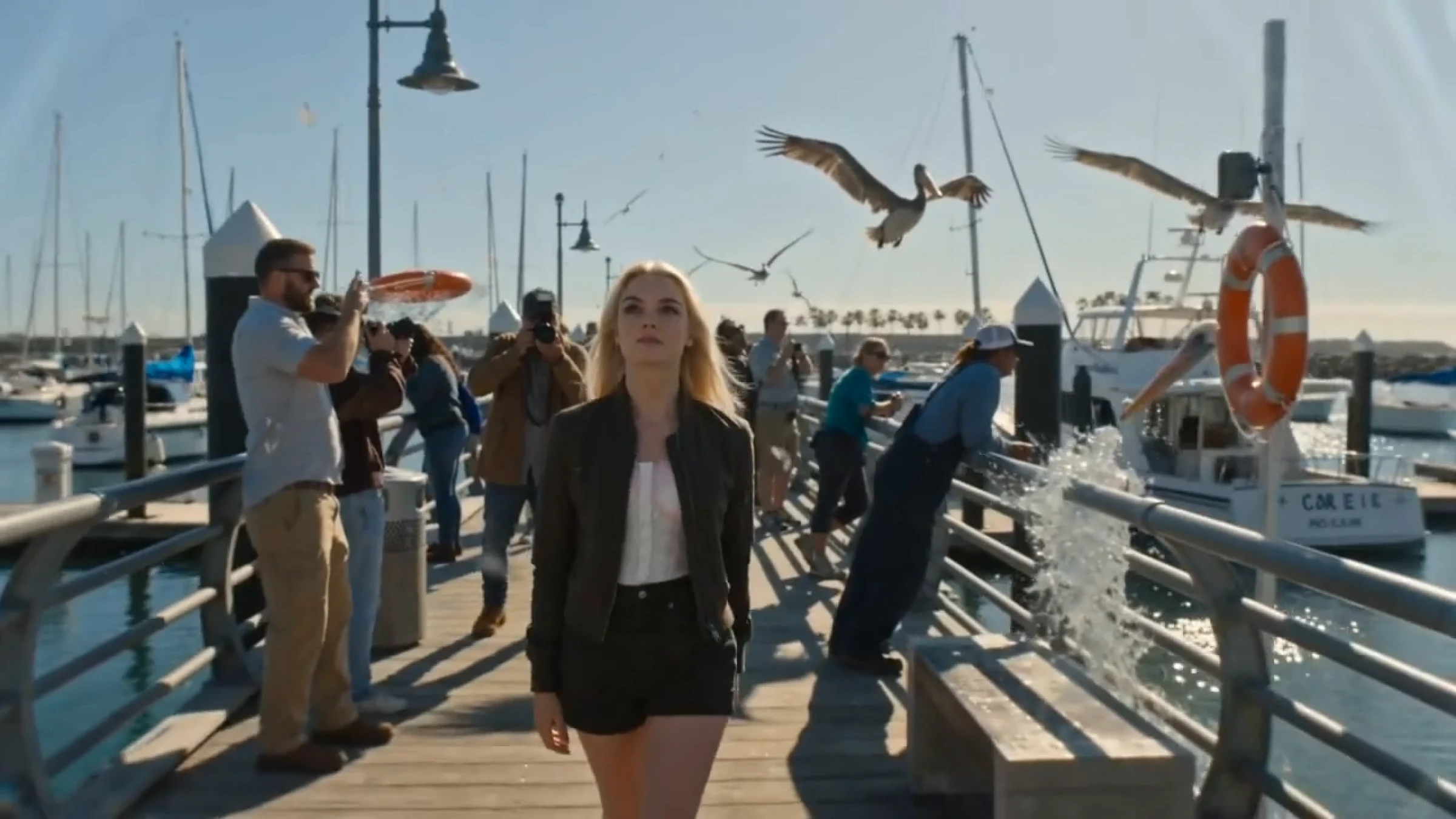
OpenArt and DirectStudio solve different starting problems that end up looking similar on the surface. OpenArt began as an AI image platform and has expanded into video as one of several output types. DirectStudio was built as a video platform from the start. Both now sit under the same AI creative studio umbrella, but what they're actually optimized for is different.
Quick Verdict
OpenArt is the stronger pick if you need one workspace covering images, short-form video, character consistency, and model breadth, especially for creators juggling multiple visual formats. DirectStudio is the stronger pick if video production, brand-consistent ads, and multilingual delivery are the actual job; its workflow, dubbing, and ad-specific tools are built around finishing a video, not just generating one.
At a Glance
| Category | OpenArt | DirectStudio |
|---|---|---|
| Core approach | All-in-one image and video studio, 100+ aggregated models under one credit pool | Structured video workflow: pick video type, model, and voice/language before generating |
| Origin | Started as an AI image generator, expanded into short-form video | Built from the start around AI video generation |
| Model access | 100+ models spanning image, video, and audio (Flux, GPT Image, Nano Banana Pro, Sora 2, Kling 3.0, Seedance) | Seedance 2.0, Veo 3.1, Kling 3.0, Wan 2.5, plus Seedream 5 and Nano Banana Pro for reference images |
| Standout feature | Character Builder / Consistent Character across images and scenes | Localization: 100+ language dubbing with auto lip-sync built into the core workflow |
| Pricing model | Credit-based, no rollover, flagship video models often gated to top tiers | Credit-based, with rollover on higher tiers |
| Best for | Multi-format creators needing images, video prototypes, and character consistency in one place | Brand and production teams needing finished, multilingual, ad-ready video |
What Is OpenArt
OpenArt is an AI image and video generation platform built around a single idea: instead of locking you into one model, it aggregates over 100 image, video, and audio models, like Flux, GPT Image, Nano Banana Pro, Sora 2, Kling 3.0, and Seedance, under one workspace and one credit pool.
What Is DirectStudio
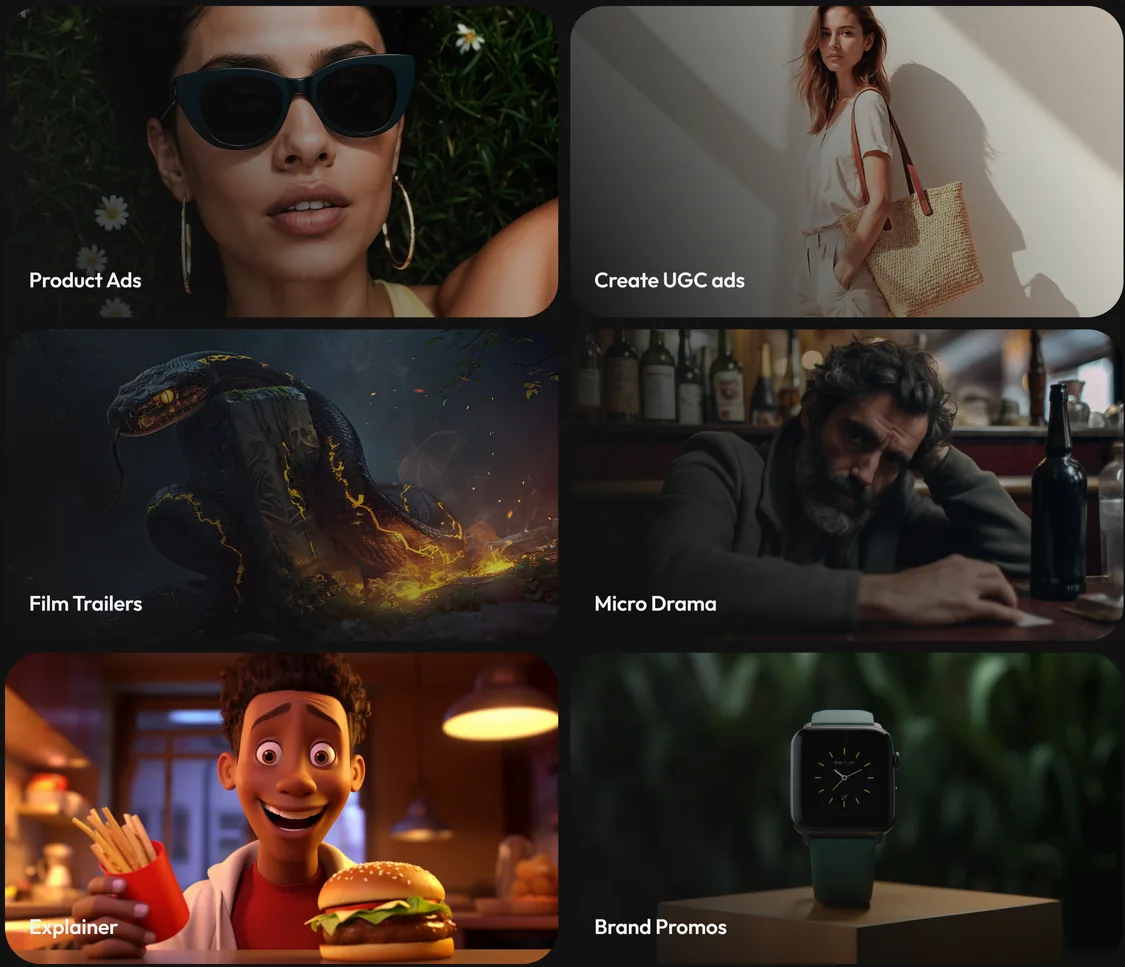
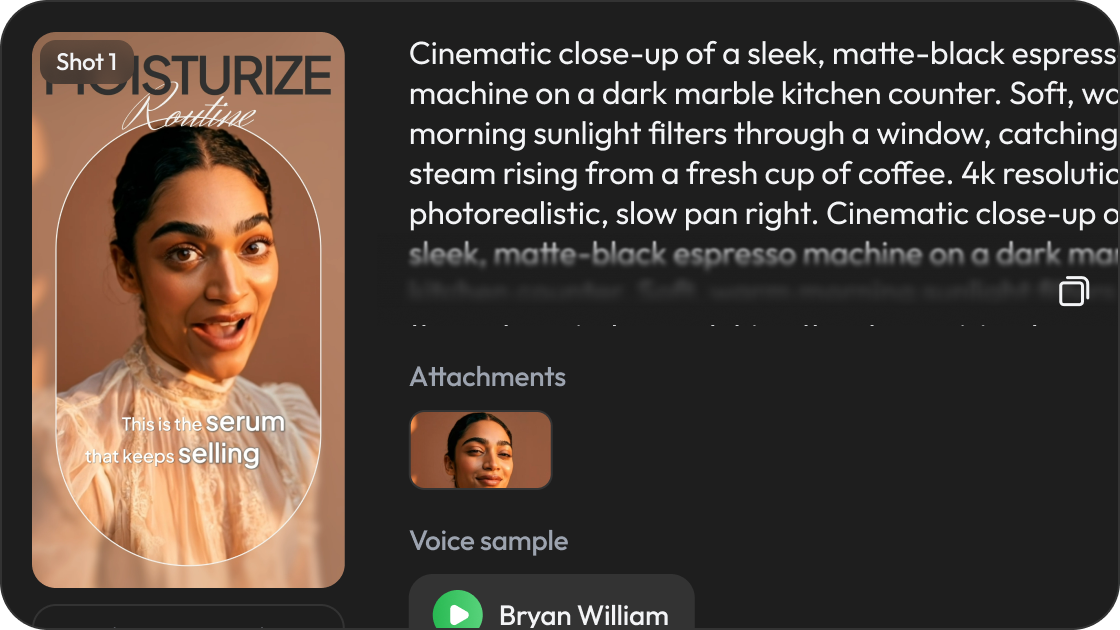
DirectStudio approaches the same broad goal, turning an idea into finished video, from the video-production side rather than the image side. The workflow separates video type, model choice, script, voice, and localization into distinct steps, so a scene's model, voice, and language are all deliberate choices rather than one aggregated generation.
Its model lineup (Seedance 2.0, Veo 3.1, Kling 3.0, Wan 2.5) is paired with dedicated production tools OpenArt doesn't specialize in: Script to Video, Text to Video, an AI Ad Generator, and Cinematic Product Ads.
Feature-by-Feature Comparison
Core focus: images vs. finished video
OpenArt's strength is breadth across format. The same subscription covers still images, short video clips, character training, and audio. That makes it a strong single workspace for creators who need visual assets across multiple formats, not just video. Its video capability, by its own positioning, is practical for marketing previews and short-form content rather than full cinematic production.
DirectStudio is narrower by design: everything routes toward a finished, publishable video. There's no general image-generation surface to switch to — Seedream 5 and Nano Banana Pro exist specifically to produce cleaner reference images that feed directly into video generation.
Character and brand consistency
OpenArt's Character Builder is genuinely one of the strongest consistency tools in the category: training a character once and reusing it across scenes and formats is purpose-built for serialized content and recurring brand mascots.
DirectStudio achieves consistency differently: through its AI avatar system built directly into the video generator, plus reference-image grounding from Seedream 5 and Nano Banana Pro before a scene is generated. It's a narrower tool than OpenArt's dedicated character trainer, but it's integrated directly into the ad and script workflows rather than a separate step.
Localization and dubbing
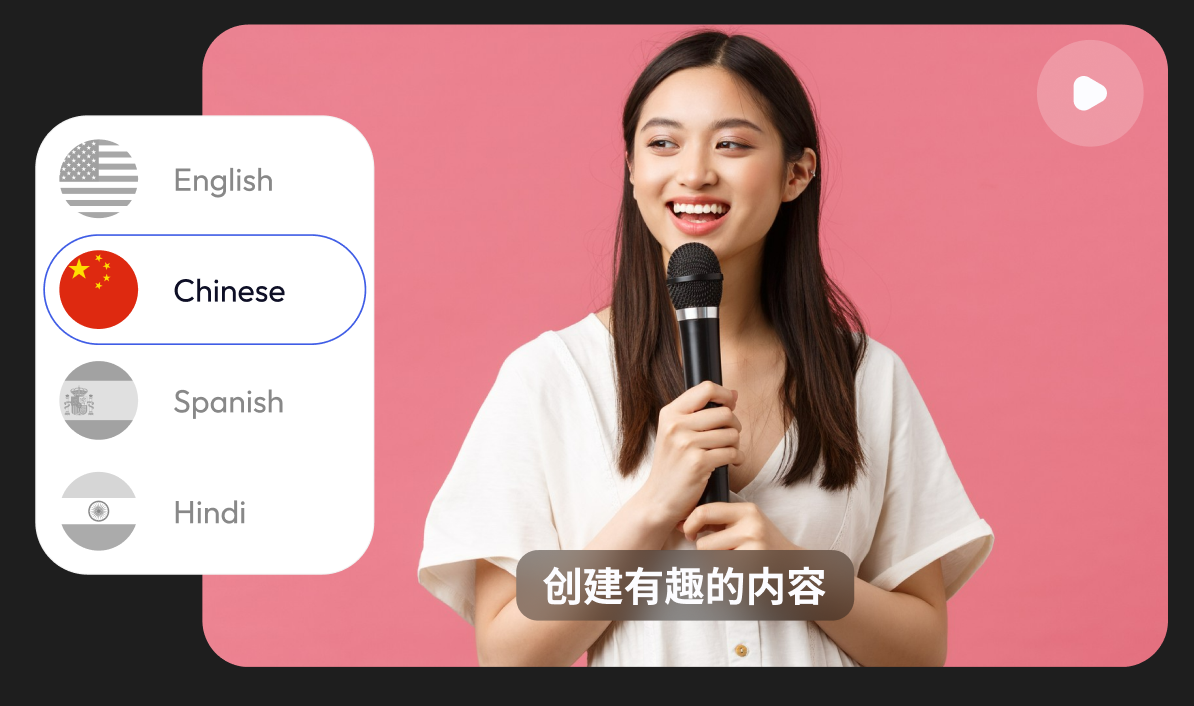
This is the clearest gap between the two. OpenArt offers 30+ language voiceover with lip-sync as one feature among many. DirectStudio's sister platform, Wavel, makes dubbing and localization a first-class part of the platform, with 100+ languages, auto lip-sync built into the core video workflow, and dedicated voice cloning and AI-twin creation at every paid tier. For a team producing the same campaign across several markets, that's a meaningfully deeper starting point than a voiceover add-on.
Model access and pricing structure
OpenArt's biggest advantage is sheer model count: 100+ models across image, video, and audio in one credit pool, with entry pricing as low as roughly $14.50/month on annual billing for its Advanced plan.
DirectStudio's paid tiers run from a low-cost entry plan up to higher tiers built around voice cloning and AI-twin volume, with credit rollover available on its higher plans. Check DirectStudio's current pricing for the exact numbers.
OpenArt: Pros and Cons
Pros
- 100+ aggregated models across image, video, and audio in one subscription
- Character Builder is a genuinely strong consistency tool for recurring characters and brands
- Low entry price (roughly $14.50/month annually on its Advanced plan)
- Useful for rapid image and short-video prototyping across formats
Cons
- Flagship video models like Seedance 2.0 reportedly gated to its highest, most expensive tier
- Credits don't roll over, and heavy use gets expensive fast through add-ons
- Documented, recurring complaints about billing bugs and slow support
- Video capability is positioned for previews and short-form content, not full production
DirectStudio: Pros and Cons
Pros
- Deep multilingual dubbing and lip-sync (with Wavel) built into the core workflow, not an add-on
- Explicit model selection per scene, with no flagship model gated behind a top-only tier
- Dedicated tools for ads, product visuals, and scripts, purpose-built for finished video
- Reference-image models (Seedream 5, Nano Banana Pro) improve consistency before generation starts
Cons
- Fewer total models than OpenArt's 100+ aggregated library
- No general-purpose still-image generation surface outside of video-focused reference tools
- Not built for character-training workflows the way OpenArt's Character Builder is
Which One Should You Choose
Choose OpenArt if: your work spans still images and short video across multiple brands or characters, and you want one credit pool covering both, with strong character-consistency tools as the priority.
Choose DirectStudio if: the deliverable is a finished, publishable video, especially one that needs to run across languages and markets, or fit a specific ad, product, or script-driven format.
Turn your next idea into a complete video workflow.
Frequently Asked Questions
Is OpenArt or DirectStudio better for video production?
DirectStudio, whose workflow and tools are built specifically around finishing a publishable video, versus OpenArt's broader focus on images with video as one of several formats.
Which platform is better for character consistency?
OpenArt's Character Builder is purpose-built for training and reusing a consistent character across many generations. DirectStudio achieves consistency through its AI avatar and reference-image system, integrated directly into its video workflow.
Which platform is better for multilingual video?
DirectStudio, whose associate platform Wavel AI provides 100+ language dubbing and auto lip-sync built into the core video workflow rather than a single voiceover feature.
Is OpenArt or DirectStudio cheaper?
OpenArt's entry pricing is lower, but its flagship video model has reportedly been gated to its most expensive tier. DirectStudio's model access is more consistent across paid tiers — see directstudio.ai/pricing for current numbers.
Do both platforms use the same AI models?
Largely yes for video, as both offer access to Kling 3.0 and Seedance.