PixVerse vs. DirectStudio (2026): Which AI Video Platform Performs Better?
PixVerse is optimized for fast, cheap, stylized clips. DirectStudio is built for finished, brand-consistent, multilingual production video.
PixVerse and DirectStudio both promise fast, prompt-driven video, and both now include a dedicated product-ad feature. But they're built for different scales of output. PixVerse is optimized for speed and stylized short clips at a low price point. DirectStudio is built for finished, brand-consistent, multilingual production video.
Quick Verdict
PixVerse is the strongest pick for fast, cheap, stylized short-form clips — social content, concept visuals, and quick creative experiments. DirectStudio is the stronger pick for brand and production video, with higher resolution ceilings, deeper ad and script tooling, and multilingual dubbing built into the core workflow rather than a single feature.
At a Glance
| Category | PixVerse | DirectStudio |
|---|---|---|
| Core approach | Fast, stylized text/image-to-video with viral templates and a real-time interactive mode | Structured workflow: pick video type, model, and voice/language before generating |
| Model access | PixVerse V6 (native model), plus its own Ad Master and R1 real-time engine | Seedance 2.0, Veo 3.1, Kling 3.0, Wan 2.5, plus Seedream 5 and Nano Banana Pro for reference images |
| Resolution ceiling | Caps at 1080p | Up to native 4K, depending on model |
| Clip length | Short, roughly 4–15 seconds per generation | Multi-scene generation for longer, structured sequences |
| Ad-specific tools | Ad Master: AI-directed commercial-style scenes | Cinematic Product Ads, Create UGC Ads, and a dedicated AI Ad Generator |
| Localization | Not a core focus | 100+ language voice library, auto lip-sync, dedicated dubbing workflow (via Wavel) |
| Best for | Fast, low-cost, stylized social clips | Multilingual, brand-consistent, production-style video |
What Is PixVerse
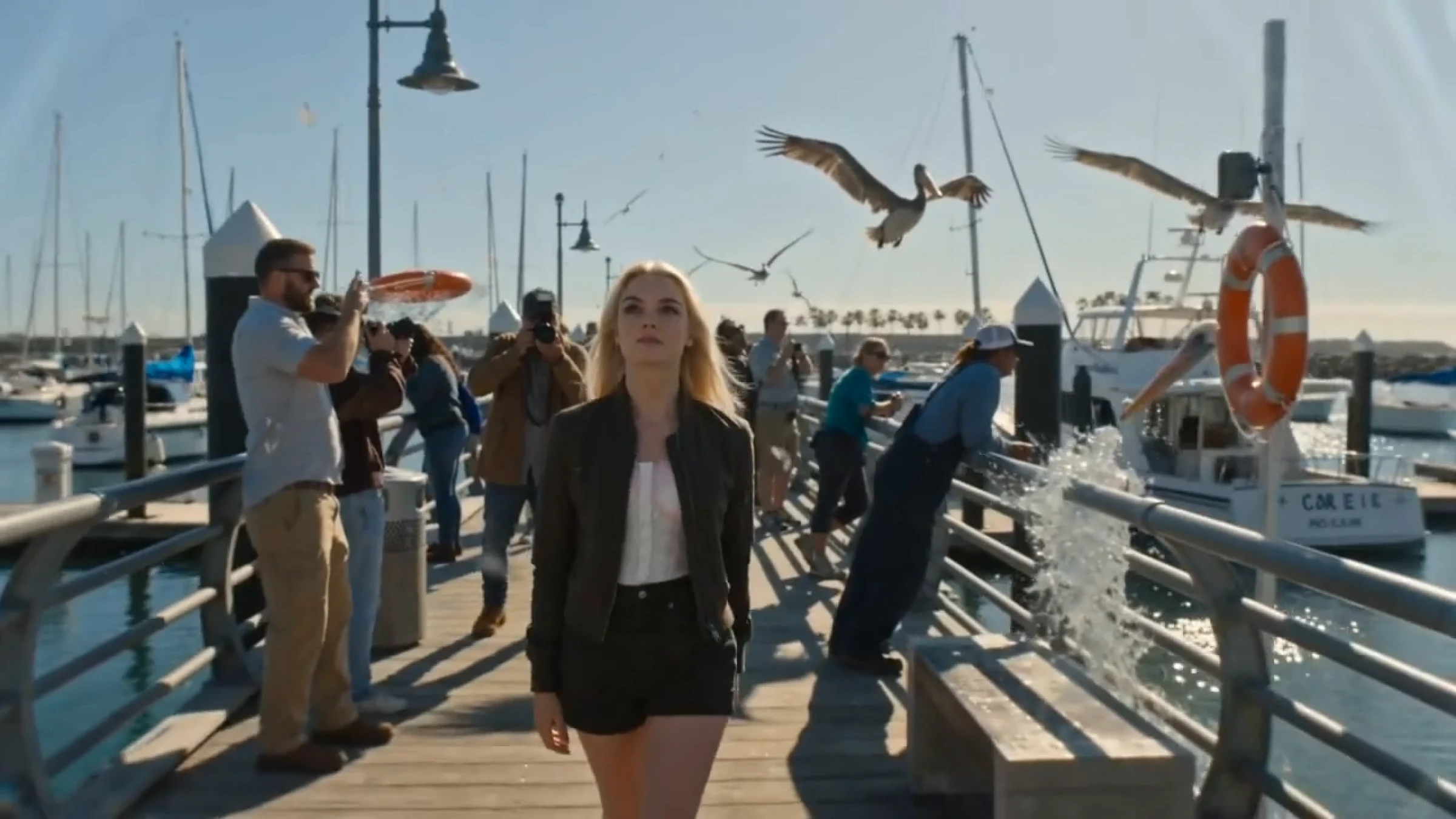
PixVerse is built around speed and style range — realistic, anime, 3D animation, and cinematic looks, all from the same text or image prompt, without switching tools. Its March 2026 V6 release added native audio synthesis, 20+ cinematic camera controls, and multi-shot storytelling, closing some of the gap with larger cinematic models.
Its most directly comparable feature to DirectStudio is Ad Master, which generates premium, AI-directed commercial-style videos for advertising and marketing use. PixVerse also shipped R1, a real-time interactive engine that lets users direct characters and modify scenes while a continuous 1080p video generates live.
What Is DirectStudio
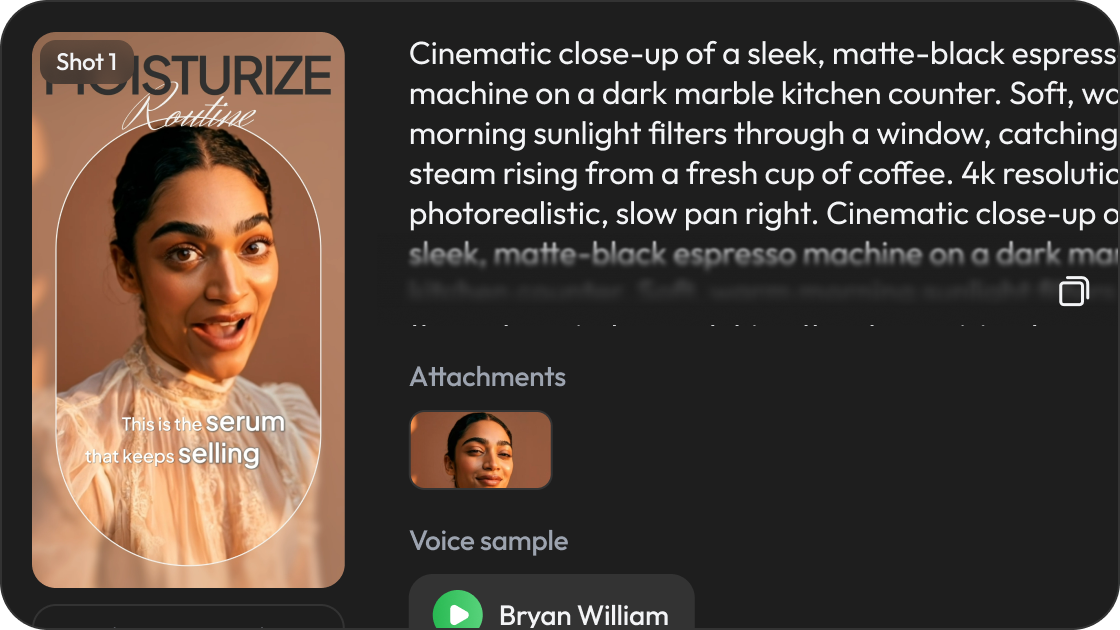
DirectStudio takes a more structured, production-first route. The workflow separates video type, model choice, script, voice, and localization into distinct steps, so quality and language decisions are explicit rather than bundled into one fast generation.
Its model lineup (Seedance 2.0, Veo 3.1, Kling 3.0, Wan 2.5) gives access to native 4K output depending on the model chosen, paired with dedicated ad and production tools: Cinematic Product Ads, Create UGC Ads, an AI Ad Generator, and Script to Video — and its deepest differentiator against PixVerse, dubbing and lip-sync across 100+ languages provided via its associate platform, Wavel.
Feature-by-Feature Comparison
Speed and style vs. resolution and structure
PixVerse's core appeal is speed: 360p clips render in roughly 30 seconds, 720p in about a minute, with a free tier generous enough to experiment before paying. That makes it a strong fit for rapid social content and concept visuals.
The trade-off is a hard resolution ceiling at 1080p, while competing models like Kling 3.0 and Seedance 2.0 now ship native 4K. DirectStudio's model access includes those higher-resolution options directly, at the cost of a slower, more deliberate workflow than PixVerse's fast-and-loose generation.
Ad-specific tooling
Both platforms have converged on the same insight — product and ad video is where the real demand is — but built it differently. PixVerse's Ad Master generates AI-directed commercial-style scenes from a prompt, in the same fast, stylized approach as its general video generation.
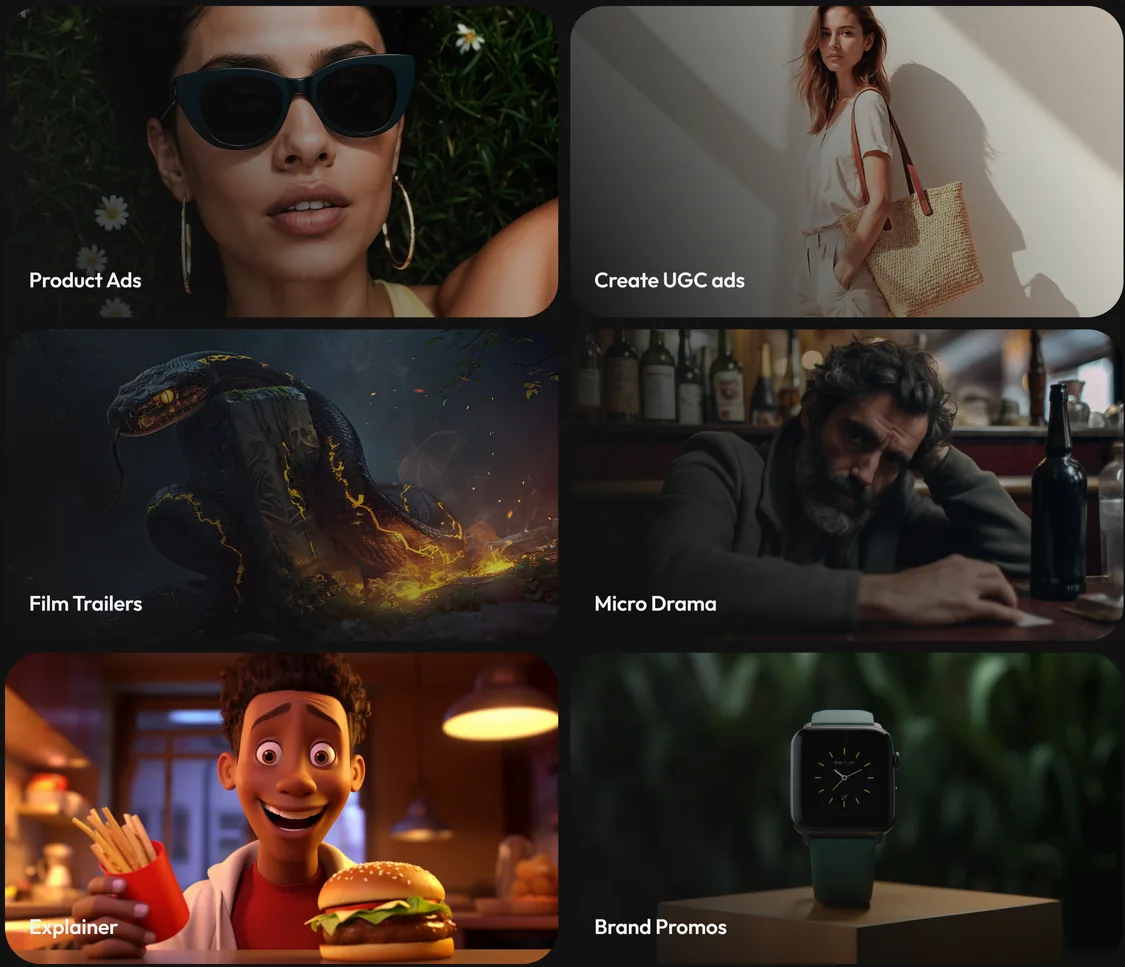
DirectStudio splits the same use case into more targeted tools: Cinematic Product Ads for photo-to-cinematic-ad generation, Create UGC Ads for presenter-led, testimonial-style ads, and a general AI Ad Generator for broader campaign messaging, each built around a specific ad format rather than one general-purpose ad feature.
Localization and multilingual reach
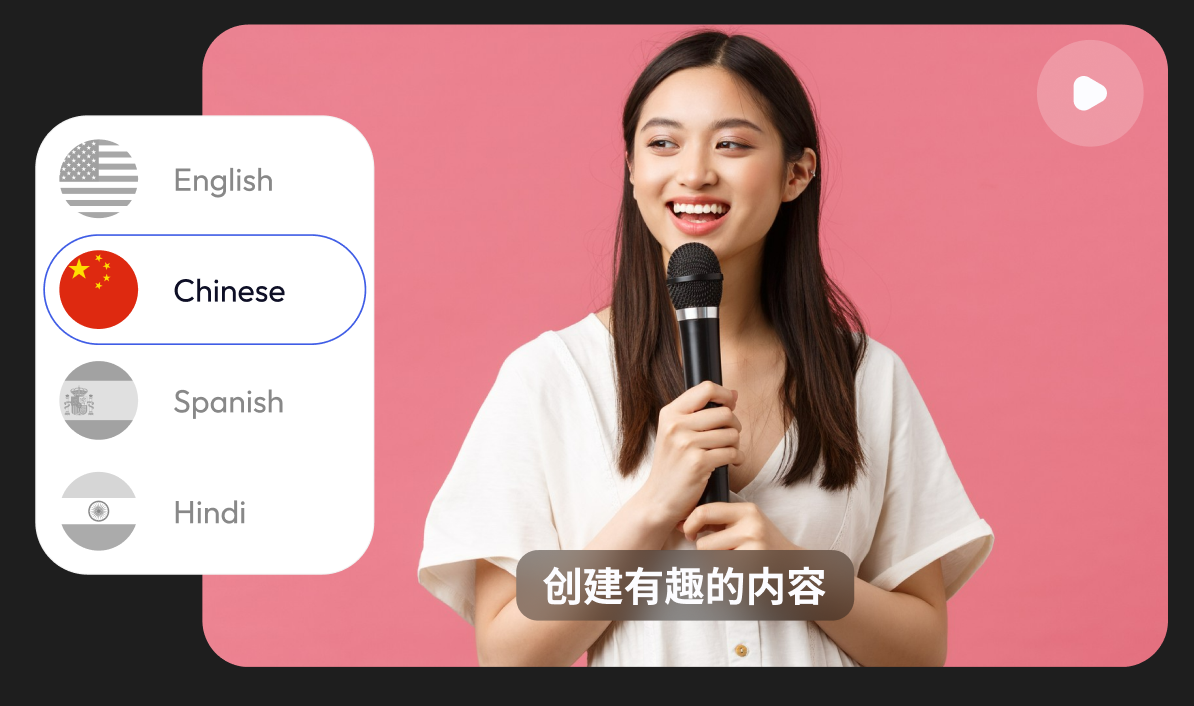
PixVerse's feature set is focused on generation speed, style, and now native audio and sound effects; localization and dubbing aren't positioned as a core strength. Wavel's dubbing and localization is the deeper toolset of the two: 100+ languages, auto lip-sync built into the core video workflow, and dedicated voice cloning at every paid tier. For a brand producing the same ad across multiple markets, that's a materially different starting point.
Credit economics
PixVerse's credit system charges for every generation attempt, not just successful outputs — a real cost when iterating on a prompt to get the right result, and free-tier credit amounts have been reported inconsistently across sources, so it's worth checking current terms directly. DirectStudio's paid tiers run from a low-cost entry plan up to higher tiers with credit rollover available, reducing the same use-it-or-lose-it pressure. Check DirectStudio's current pricing for the exact numbers.
PixVerse: Pros and Cons
Pros
- Very fast generation: 360p in roughly 30 seconds, 720p in about a minute
- Wide style range — realistic, anime, 3D, cinematic — from the same prompt
- Ad Master and native V6 audio synthesis cover ad and sound needs in one platform
- R1's real-time interactive generation is a genuinely novel feature
- Generous free tier for experimentation before paying
Cons
- Resolution caps at 1080p, behind 4K-capable competitors
- Short clip lengths per generation, roughly 4–15 seconds
- Credit system charges for every attempt, including failed or discarded takes
- Localization and dubbing are not a core strength
DirectStudio: Pros and Cons
Pros
- Access to native 4K output through models like Seedance 2.0 and Kling 3.0
- Deep multilingual dubbing and lip-sync access via Wavel AI
- Multiple dedicated ad formats — Product Ads, UGC Ads, general Ad Generator — instead of one general tool
- Reference-image models (Seedream 5, Nano Banana Pro) improve consistency before video generation starts
Cons
- Slower, more deliberate workflow than PixVerse's fast-generation approach
- No real-time interactive generation comparable to PixVerse's R1
- Narrower style range than PixVerse's realistic/anime/3D/cinematic switcher
- Fewer total bundled models than some aggregator-style competitors
Which One Should You Choose
Choose PixVerse if: you need fast, cheap, stylized short clips for social content, want to experiment across visual styles, or want to try real-time interactive generation.
Choose DirectStudio if: you're producing brand or campaign video that needs higher resolution, multiple ad formats, or delivery across languages and markets.
Turn your next idea into a complete video workflow.
Frequently Asked Questions
Is PixVerse or DirectStudio better for social media clips?
PixVerse, whose speed, style range, and generous free tier suit fast, casual social content best.
Which platform offers higher resolution video?
DirectStudio. PixVerse caps output at 1080p, while DirectStudio's model lineup includes native 4K options like Seedance 2.0 and Kling 3.0.
Which platform is better for multilingual video?
DirectStudio, whose 100+ language dubbing and auto lip-sync are accessible via its sister platform, Wavel, versus PixVerse's focus on speed and native audio rather than localization.
Do both platforms have ad-specific tools?
Yes. PixVerse offers Ad Master for AI-directed commercial scenes. DirectStudio offers multiple dedicated formats: Cinematic Product Ads, Create UGC Ads, and a general AI Ad Generator.
Is PixVerse or DirectStudio cheaper?
PixVerse's entry pricing starts around $10/month, but its credit system charges for every generation attempt. DirectStudio's tiers include credit rollover on higher plans — see directstudio.ai/pricing for current numbers.