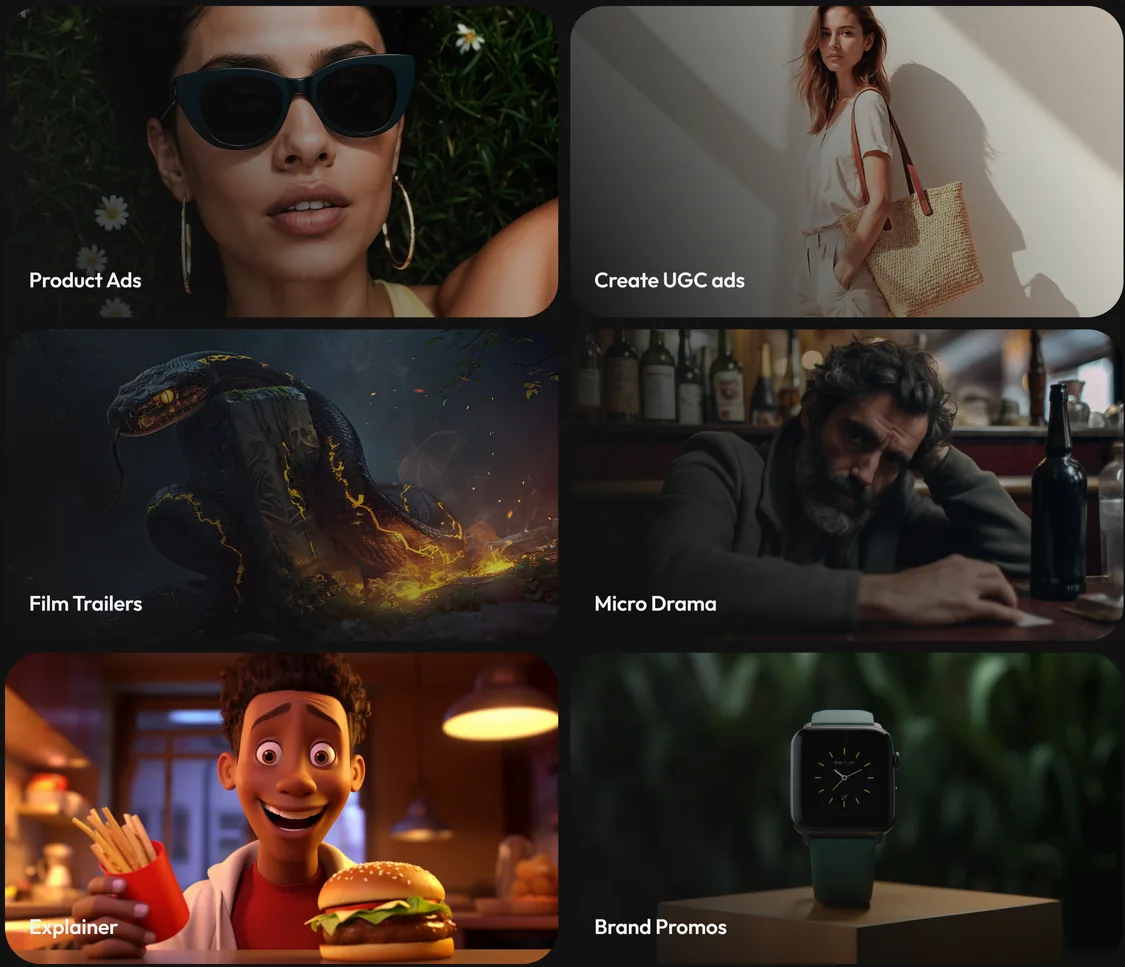
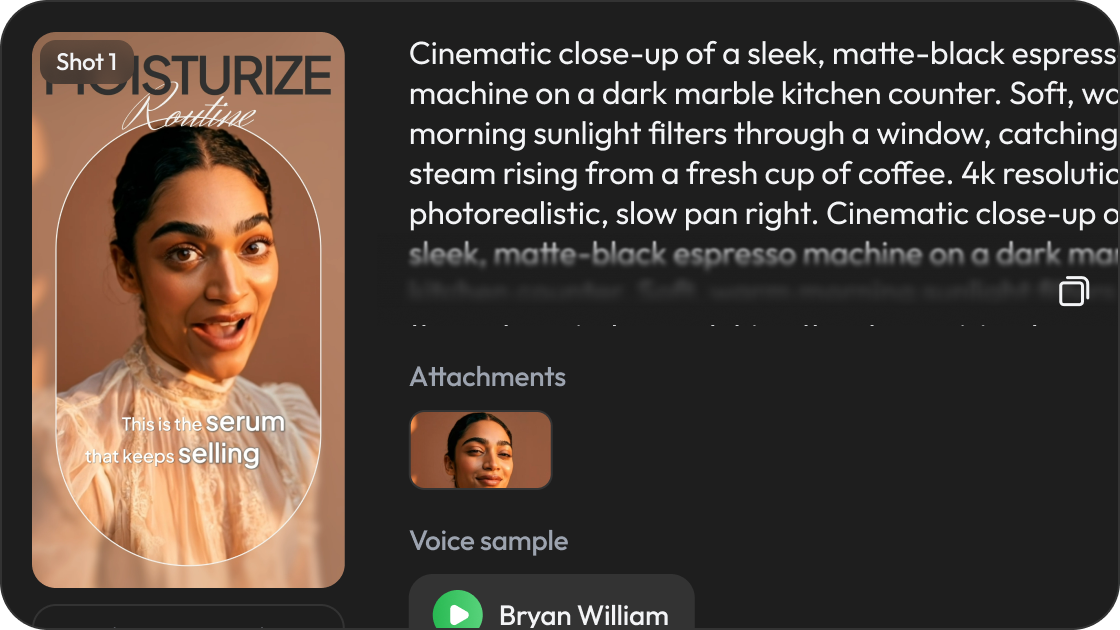
Runway vs. DirectStudio (2026): Which Platform Performs Better?
Runway is a director's toolkit for camera and motion control. DirectStudio is a production workflow built for finished, voiced, multilingual video.
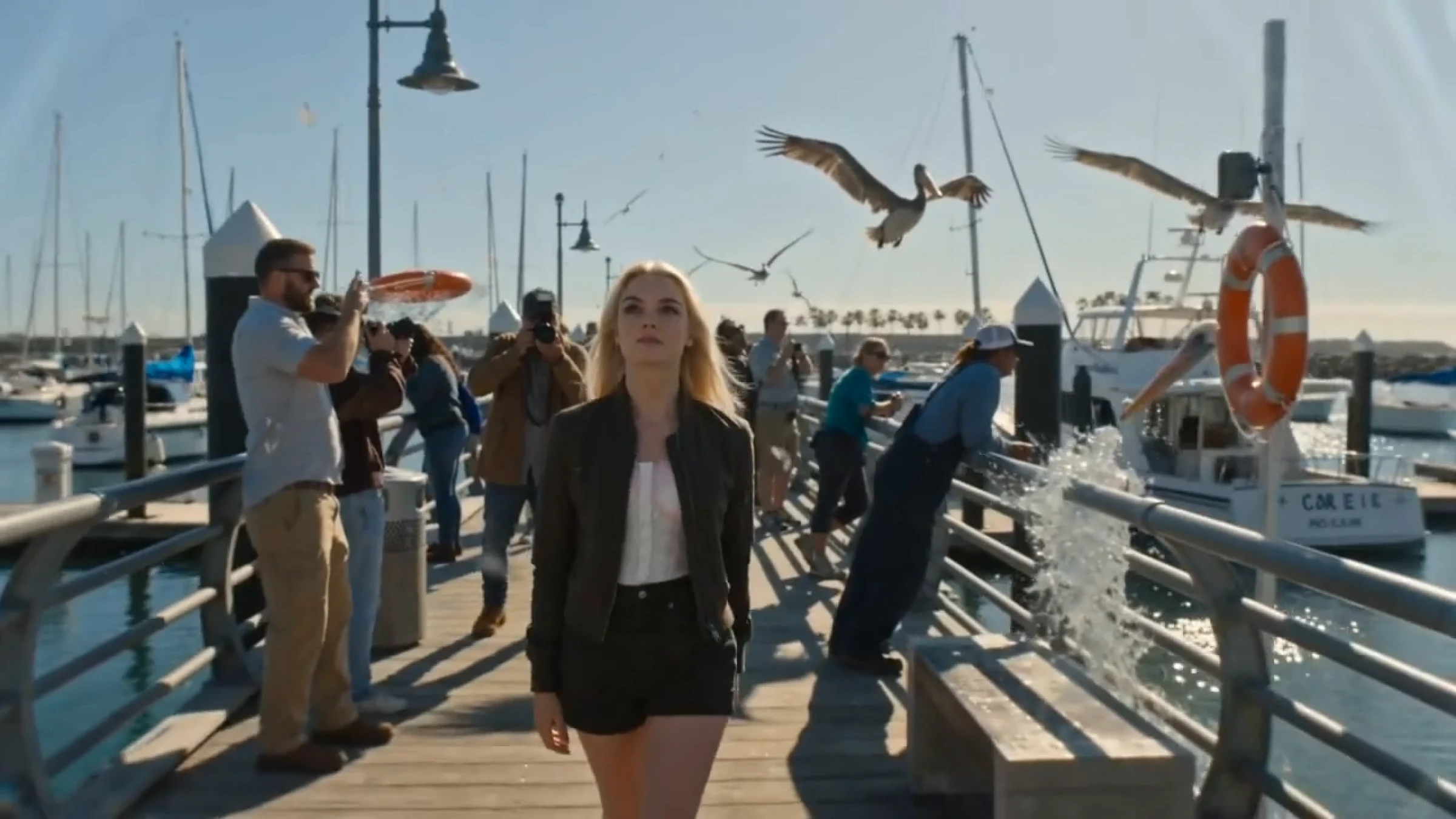
Runway and DirectStudio both sit at the professional end of AI video, and both bundle access to the same current frontier models. But they're built for different jobs. Runway is a director's toolkit, with camera control, motion editing, and performance capture. DirectStudio is a production and localization workflow built for teams that need a finished, voiced, brand-ready video, not just a beautifully controlled clip.
Quick Verdict
Runway is a good pick if creative and camera control is the priority — filmmakers, VFX artists, and agencies who want to direct a shot, not just prompt one. DirectStudio is the stronger pick if the finished video needs voice, dubbing, and multilingual delivery: Runway has no native audio pipeline, while dubbing and voice are built into DirectStudio's core workflow via Wavel.
At a Glance
| Category | Runway | DirectStudio |
|---|---|---|
| Core approach | Director-focused toolkit: camera control, motion editing, performance capture | Structured workflow: pick video type, model, and voice/language before generating |
| Model access | Gen-4.5 (flagship), plus bundled Veo 3.1, Kling 3.0 Pro, Seedance 2.0, FLUX, Seedream 5.0 | Seedance 2.0, Veo 3.1, Kling 3.0, Wan 2.5, plus Seedream 5 and Nano Banana Pro for reference images |
| Standout feature | Aleph (in-video editing) and Act-Two (performance capture) | Localization: 100+ language dubbing with auto lip-sync built into the core workflow (via Wavel) |
| Audio and voice | No native voiceover or dubbing pipeline; pairs with a separate tool | AI voiceover, voice cloning, and dubbing in 100+ languages, built in |
| Pricing model | Credit-based, Standard $12/mo to Max $76/mo (annual), credits burn on every generation | Credit-based, with rollover on higher tiers |
| Best for | Filmmakers, VFX artists, and agencies directing a specific shot | Brand and production teams needing finished, multilingual, ad-ready video |
What Is Runway
Runway has grown from an early text-to-video experiment into what much of the industry now treats as the professional benchmark for AI video control. Its flagship Gen-4.5 model is widely regarded as one of the most cinematically coherent AI video models available, with motion physics, subject consistency, and lighting behavior that holds up on targeted, professional prompts.
What Is DirectStudio
DirectStudio is built around a different endpoint: a finished, publishable, often multilingual video, rather than a precisely directed shot. The workflow separates video type, model choice, script, voice, and localization into distinct steps, so the path from a script to a voiced, captioned, brand-ready video stays inside one platform.
Feature-by-Feature Comparison
Creative control vs. finished production
Runway's philosophy is control: camera motion, light direction, and character consistency through reference images, aimed at filmmakers and VFX teams who want to shape a shot the way a director would, not just describe one.
DirectStudio's philosophy is throughput: get from a script or product photo to a finished, voiced, captioned video with fewer manual decisions about camera and motion, but more built-in decisions about voice, language, and format.
Audio, voice, and localization
This is the clearest structural gap between the two. Runway has no native voiceover or dubbing pipeline, and it needs to be paired with a separate voice-cloning or lip-sync tool to produce a fully voiced video. That's consistent with its identity as a visual and motion tool first.
DirectStudio offers voice natively via Wavel: AI voiceover, voice cloning, AI-twin creation, and dubbing across 100+ languages with auto lip-sync are part of the same workflow that generates the video. For any project that needs a spoken, localized, or multilingual final cut, that's a meaningfully shorter path than assembling Runway's video output with a separate audio tool.
Pricing structure
Runway's five tiers run Free through Standard, Pro, Max, and a custom Enterprise plan. The catch reviewers flag consistently: Gen-4.5 costs roughly 25 credits per second, so Standard covers only about 25 seconds of flagship-quality output a month, and credits burn on every generation regardless of whether you keep the result. 4K output can multiply the credit cost further.
DirectStudio's paid tiers run from a low-cost entry plan up to higher tiers built around voice cloning and AI-twin volume, with credit rollover available on its higher plans. Check DirectStudio's current pricing for the exact numbers.
Runway: Pros and Cons
Pros
- Gen-4.5 is widely regarded as one of the most cinematically coherent AI video models available
- Deepest creative control in the category: camera control, motion brush, character consistency via reference images
- Bundles Veo 3.1, Kling 3.0 Pro, and Seedance 2.0 into the same credit pool as its own models
Cons
- No native voiceover, dubbing, or lip-sync pipeline — requires a separate tool for a fully voiced video
- Credits burn on every generation with no refund for a result you don't keep
- Flagship-quality output consumes credits quickly; Standard tier covers only about 25 seconds a month
- Built for filmmakers and VFX teams first, less suited to fast, high-volume marketing output
DirectStudio: Pros and Cons
Pros
- Access to deep multilingual dubbing, voice cloning, and lip-sync via Wavel
- Explicit model selection per scene, so quality issues are easy to isolate and re-run
- Dedicated tools for ads, product visuals, and scripts, purpose-built for finished, publishable video
- Reference-image models (Seedream 5, Nano Banana Pro) improve consistency before video generation starts
Cons
- Less granular camera and motion control than Runway's director-focused toolset
- No dedicated performance-capture feature comparable to Act-Two
- Structured, multi-step workflow asks more of a first-time user than a single-agent tool
Which One Should You Choose
Choose Runway if: you're a filmmaker, VFX artist, or agency directing a specific shot, and camera control, motion precision, and in-video editing matter more than built-in voice or localization.
Choose DirectStudio if: the deliverable is a finished, voiced video — product videos, scripts, or brand content ready to publish across markets.
Turn your next idea into a complete video workflow.
Frequently Asked Questions
Which platform is better for multilingual video?
DirectStudio. Runway has no native dubbing or voiceover pipeline, while DirectStudio provides 100+ language dubbing and auto lip-sync via Wavel.
Does Runway include voiceover or dubbing?
No, Runway is a visual and motion generation tool. A fully voiced video typically requires pairing it with a separate voice-cloning or lip-sync tool.
Do both platforms use the same AI models?
Largely yes, as both bundle access to Veo 3.1, Kling 3.0, and Seedance 2.0.
Is Runway or DirectStudio cheaper?
Runway's entry tier starts around $12/month annually, but flagship-quality generation burns credits quickly. DirectStudio's model access is more consistent across paid tiers — see directstudio.ai/pricing for current numbers.